Back to Blogs

Early Orthodontics: When Is It Time For My Child?

Is it time for early orthodontics? Discover how Dr. Sahar Mostafavi guides children's jaw growth for a healthy, confident smile.

May 7, 2026
2 min read
Back to Blogs

Early Orthodontics: When Is It Time For My Child?

Is it time for early orthodontics? Discover how Dr. Sahar Mostafavi guides children's jaw growth for a healthy, confident smile.

May 7, 2026
2 min read

Kayla’s Lingering Question

Kayla watched her son, Owen, munch on an apple, a familiar furrow appearing between her brows. He was only seven, and she'd always thought orthodontics was something for teenagers, a rite of passage involving metal mouths and school dances. Yet, lately, his dentist, Dr. Patrick, had gently suggested they consider an early orthodontic consultation. The idea felt premature, almost overwhelming. She wondered if it was really necessary at such a young age, or if they could just wait.

Owen's teeth were a mixed bag – some baby teeth still stubbornly in place, some adult teeth emerging at odd angles. She noticed a slight lisp when he spoke quickly, and sometimes he’d complain his jaw felt tired after eating harder foods. These small observations, initially dismissed, now played on her mind. She loved his bright, energetic smile, but couldn't shake the feeling that something might be amiss.

She recalled a conversation with her friend, Lily, whose son Brian had gone through early treatment. Lily had raved about the benefits, saying it saved them trouble later on. But what exactly were those benefits? Kayla felt a growing need for clarity, wanting to make the best decision for Owen without rushing into something unnecessary.

Understanding Phase One Orthodontics

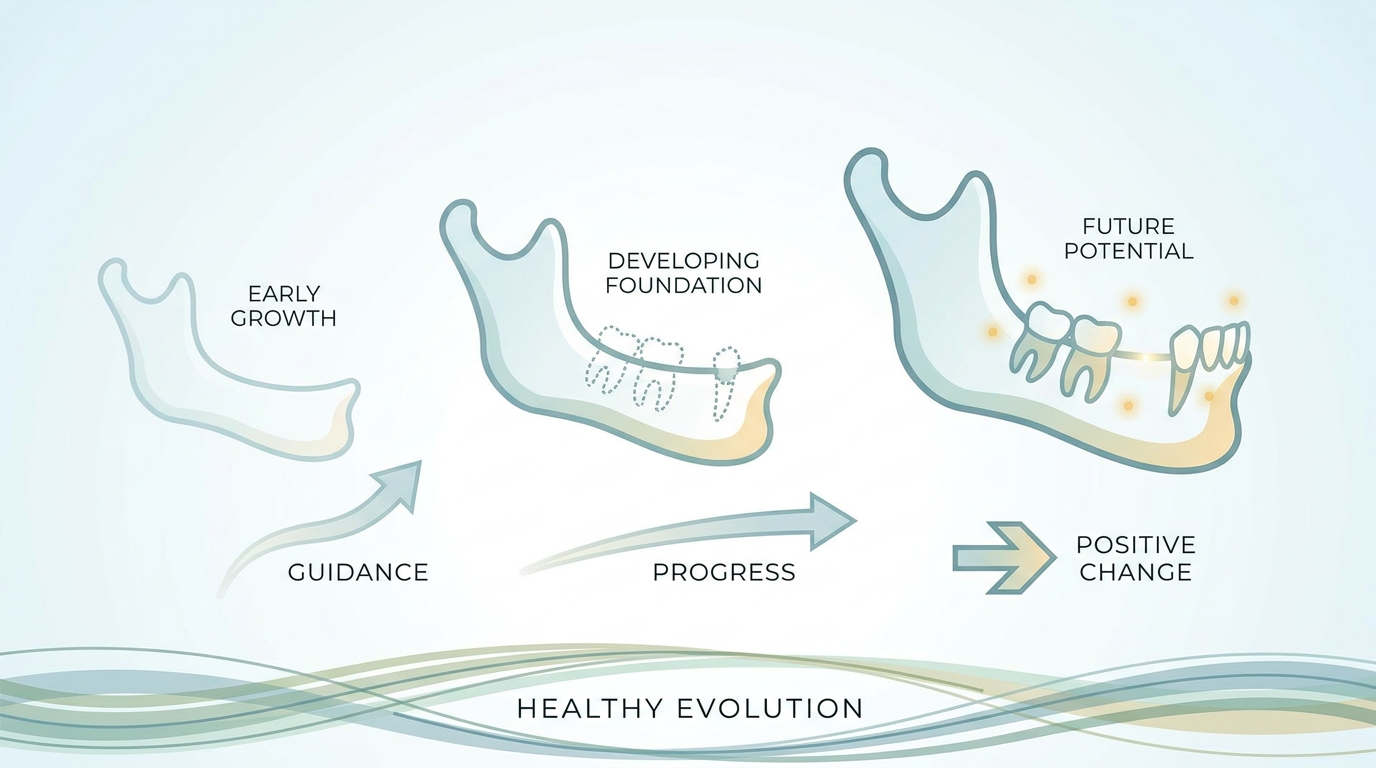
Kayla decided to take the proactive step and called Sharon Orthodontics to schedule a consult with Dr. Sahar Mostafavi. During their initial conversation, Dr. Mostafavi patiently explained the concept of “Phase One orthodontics,” also known as interceptive orthodontics. This early treatment isn’t about perfectly straight teeth yet, she clarified, but rather guiding jaw development and addressing significant bite issues while a child’s bones are still growing.

Dr. Mostafavi showed Kayla models illustrating how issues like severe crowding or a crossbite could impact long-term dental health. She explained that intervening early could prevent more complex problems from developing, such as impacted permanent teeth or surgical correction later. It sounded logical, but Kayla still worried about the impact on Owen. Would it be uncomfortable? Would he even cooperate?

She learned that early intervention primarily focuses on creating adequate space for adult teeth and correcting issues that might interfere with normal jaw growth. This proactive approach can often shorten the duration and complexity of later treatments, potentially saving time and discomfort down the road. It wasn’t about cosmetic perfection, but foundational health.

Owen’s First Visit and Assessment

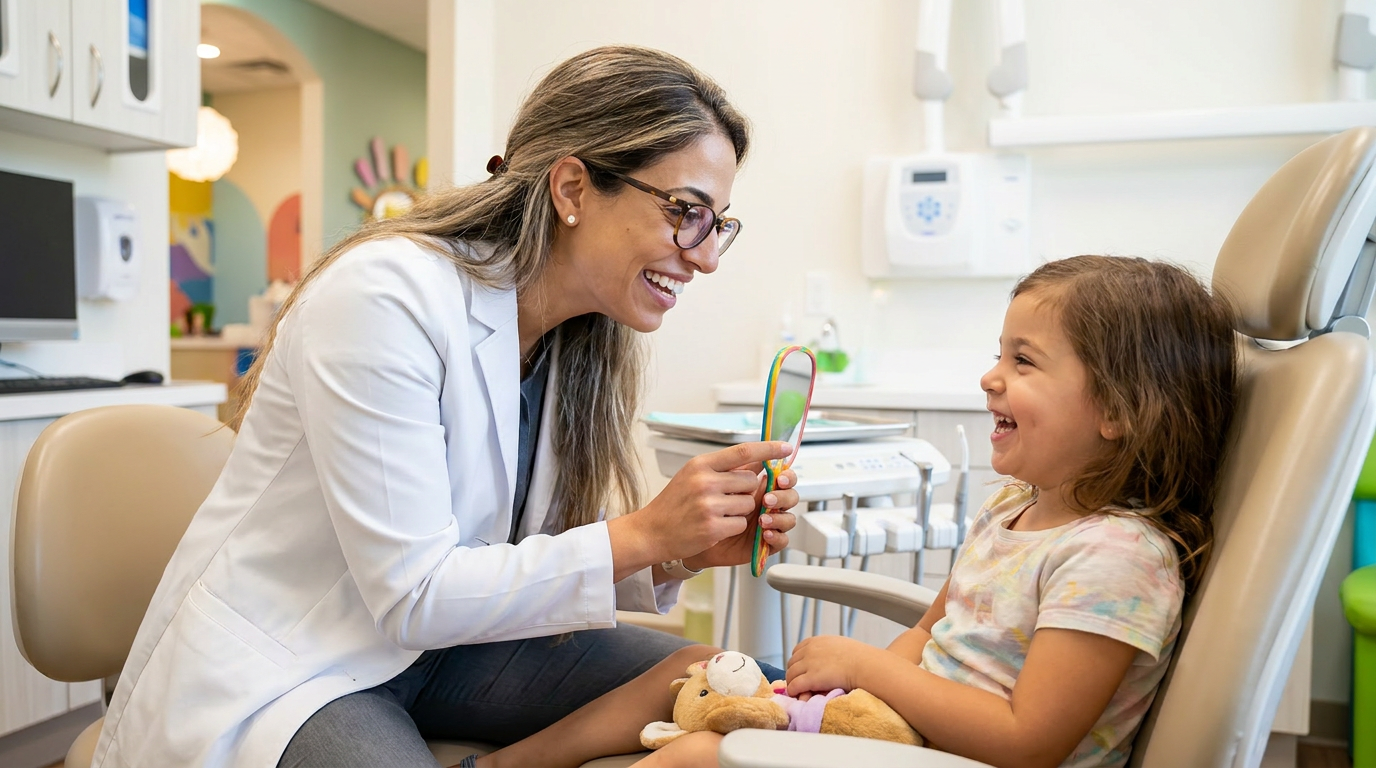
Walking into Sharon Orthodontics with Owen, Kayla felt a mix of nerves and hopeful anticipation. The office was bright and friendly, instantly easing some of Owen’s apprehension. Dr. Sahar Mostafavi greeted them warmly, her calm demeanor putting Owen at ease during his examination. She made the experience feel less like a clinical appointment and more like an adventure.

Dr. Mostafavi performed a thorough examination, including digital scans and X-rays, all while explaining each step to Owen in simple, kid-friendly terms. She pointed out areas where Owen's upper jaw was a bit narrow and where some permanent teeth weren't going to have enough room to erupt properly. It was clear she had a genuine understanding of children's dentistry. Kayla appreciated her detailed, yet easy-to-understand explanations.

Listening to Dr. Mostafavi, Kayla realized that Owen's slight lisp and jaw fatigue were indeed connected to his bite. The doctor explained that addressing these issues now could improve his speech, make chewing more efficient, and even promote healthier breathing. This comprehensive view resonated deeply with Kayla.

Tailoring Treatment to Childhood

Dr. Mostafavi presented Owen's personalized treatment plan, explaining that it would involve a custom-designed appliance to gently expand his upper arch. She emphasized that the treatment was designed for a growing child, taking advantage of his natural development. Kayla was relieved to hear that no major appliances like traditional metal braces were being suggested at this stage.

Owen seemed surprisingly engaged, as Dr. Mostafavi showed him a harmless example of the appliance and explained how it would help his "grow spaces" for his new teeth. He even got to pick out the color for a tiny band on the model, making him feel part of the process. This patient-centered approach made all the difference. Kayla observed Owen’s excitement replacing his initial shyness.

The focus would be on guiding growth and creating a healthier foundation for his permanent teeth. Dr. Mostafavi assured Kayla that the process was gradual and generally well-tolerated by children. She also explained the importance of teamwork between the practice, Owen, and Kayla for the best results.

Clarity, Comfort, and Confidence

If you’ve been wondering about your child’s dental development, just like Kayla, it’s natural to have questions. Your child's early growth and bite can have a significant impact on their future comfort and oral health. We invite you to schedule a consultation with Dr. Sahar Mostafavi to explore potential options.

Addressing Parental Concerns

Kayla had many questions, particularly about the duration and convenience of the treatment. Dr. Mostafavi patiently addressed each one. She explained that Phase One typically lasts between 6-18 months, followed by a resting period to allow all permanent teeth to erupt naturally. This meant it wouldn't be a lifelong commitment right now.

When Kayla asked about potential discomfort, Dr. Mostafavi assured her that any initial soreness would be mild and temporary, easily managed with over-the-counter pain relievers. She also discussed practical aspects, like oral hygiene with the appliance and what foods to avoid. Her realistic and honest answers built immense trust. Kayla felt heard and respected.

Dr. Mostafavi also spoke about the economic benefits, explaining that addressing issues early can often lead to a less extensive, and therefore less costly, second phase of treatment if needed. This financial foresight was genuinely reassuring, as Kayla was keen on smart long-term planning for Owen’s health care.

The Path to a Healthier Smile

With all her questions answered, Kayla felt a sense of calm and conviction. The decision to move forward with early orthodontic intervention felt right. She saw how Dr. Mostafavi's approach was about more than just aesthetics; it was about Owen's overall oral health, speech development, and comfort.

Owen, surprisingly, was enthusiastic. He liked the idea of getting his "special helper" for his teeth, and the positive reinforcement from Dr. Mostafavi clearly made him feel good about it. His excitement was infectious, easing any lingering doubts Kayla might have had. It was a testament to the friendly environment and clear explanations.

Kayla envisioned a future where Owen wouldn't have to face more complex dental issues as a teenager, thanks to this early guidance. She was investing in his future comfort and confidence. This proactive step felt like a true gift to her son.

Monitoring Growth and Development

Throughout Owen's Phase One treatment, regular check-ups with Dr. Sahar Mostafavi were scheduled. These appointments were short and efficient, focusing on monitoring progress and making minor adjustments to the appliance. Kayla was consistently impressed by the meticulous care. Owen quickly grew accustomed to the routine, often chatting brightly with the orthodontic assistants.

Dr. Mostafavi kept Kayla informed about each milestone, explaining how Owen’s jaw was responding and the new spaces being created for his adult teeth. She showed Kayla pictures comparing Owen’s initial state to his progress, which was incredibly encouraging. Seeing the tangible results made the commitment worthwhile. Kayla appreciated the transparency.

After about a year, Owen’s Phase One was complete. The changes were subtle but significant. His lisp had faded, and his upper jaw looked much wider and more balanced. He was now more comfortable eating a wider variety of foods. Kayla knew they had made the right choice for his early development.

A Foundation for Future Confidence

With Phase One complete, Owen entered a resting period, where Dr. Mostafavi would continue to monitor the eruption of his remaining permanent teeth. While a second phase of treatment, potentially involving clear braces or Invisalign®, might be needed in his teenage years for final alignment, Kayla knew that they had already laid an excellent foundation. The heavy lifting of jaw correction was done.

The peace of mind that came with addressing immediate issues and guiding Owen’s growth was invaluable. Kayla realized that early orthodontics wasn't about rushing things, but about smart, timely intervention. It was an investment in his long-term health and self-esteem. She shared her positive experience with Lily and other parents, becoming an advocate herself.

Owen now smiled with absolute confidence, his improved chewing and speech being clear benefits. Kayla was grateful to Dr. Sahar Mostafavi and the team at Sharon Orthodontics for their expertise and compassionate care. She knew Owen was indeed on the right path to a beautiful, healthy smile.

Categories:

Frequently Asked Questions

1. Q: What is the ideal age for a child's first orthodontic visit?
A: We generally recommend a child's first orthodontic evaluation around age seven. At this age, a child has a mix of baby and adult teeth, allowing Dr. Sahar Mostafavi to assess jaw growth, emerging teeth, and identify any developing problems early.

2. Q: Will my child need braces twice if they have early orthodontic treatment?
A: Not necessarily. Early orthodontic treatment (Phase One) is designed to address significant jaw and bite problems during growth. While some children may still need a second phase of treatment (often with options like clear braces or Invisalign®) in their teenage years for final alignment, the early intervention often makes this second phase shorter and less complex.

3. Q: Is early orthodontic treatment uncomfortable for children?
A: Most children adapt very well to early orthodontic appliances. There might be some mild discomfort or soreness for a few days after initial placement or adjustments, but this is usually manageable with over-the-counter pain relievers and typically subsides quickly.

4. Q: How much does early orthodontic treatment cost, and is it covered by insurance?
A: The cost of early orthodontic treatment varies depending on the specific needs of your child. We will provide a detailed treatment plan and transparent cost breakdown after the initial consultation. Many dental insurance plans offer some coverage for orthodontics; our team can help you understand your benefits.

5. Q: What are the benefits of addressing orthodontic issues early?
A: Early treatment can help guide jaw growth, create space for crowded teeth, correct crossbites, reduce the risk of trauma to protruding front teeth, and improve speech issues. It can also simplify or shorten later orthodontic treatment, potentially preventing more invasive procedures in the future.

6. Q: My child plays sports. Will an orthodontic appliance interfere with their activities?
A: For children involved in sports, we always recommend wearing a custom-fitted mouthguard to protect their teeth and any appliances. Our team can discuss appropriate mouthguard options to ensure their safety and continued participation in activities.

RELATED BLOG POSTS

Stay Informed with Expert Insights & Tips About Dental Care

5.7.2026

From Crowded Teeth to Confident Smiles

Uncover how Ryan overcame self-consciousness about his crowded teeth and found a confident smile with Dr. Sahar Mostafavi's help.

5.7.2026

Brushing with Braces: Keeping Your Smile Bright

Brushing with Braces: Learn how Hailey conquered plaque fears to achieve a radiant smile with Dr. Sahar Mostafavi's expert tips!