

TMJ Disorders Treatment in Sharon, MA
Relieve jaw pain and improve joint function through targeted treatment designed to reduce strain and restore balance.
What is TMJ Disorders Treatment?
TMJ disorders treatment focuses on diagnosing and managing conditions affecting the temporomandibular joints, which connect the jaw to the skull and allow for speaking, chewing, and normal jaw movement. When these joints or the surrounding muscles become inflamed or misaligned, patients may experience symptoms such as jaw pain, headaches, facial tension, clicking or popping sounds, difficulty chewing, or limited jaw movement. TMJ disorders can be caused by bite misalignment, teeth grinding, jaw injury, stress related muscle tension, or other underlying factors.
Depending on the diagnosis, TMJ disorders treatment may include custom oral appliances to reduce strain on the jaw, orthodontic correction to improve bite alignment, targeted muscle-relaxing injections to ease tension in overactive jaw muscles, or other conservative therapies designed to relieve pressure and restore proper function. The goal of TMJ disorders treatment is not only to reduce discomfort but also to improve long term jaw stability and overall oral health.
Benefits of TMJ Disorders Treatment
Explore the benefits of TMJ disorders treatment and how targeted care can improve jaw function and reduce discomfort.

Alleviated Jaw Tension
Treatment helps relieve tension, soreness, and pressure affecting the jaw joints and surrounding muscles.
Improved Joint Function
Therapies are designed to support smoother jaw movement and reduce clicking, popping, or limited range of motion.

Balanced Bite Alignment
Addressing bite irregularities can reduce strain on the temporomandibular joints and promote long term stability.
Who Needs TMJ Disorders Treatment?
TMJ disorders treatment may be recommended for individuals experiencing ongoing jaw discomfort, frequent headaches, facial muscle tension, or difficulty chewing and speaking comfortably. Individuals who grind or clench their teeth, experience uneven bite pressure, or have a history of jaw injury may also benefit from a professional evaluation.
When symptoms begin to interfere with daily function or quality of life, a comprehensive assessment can determine whether TMJ disorders treatment is necessary to restore proper jaw movement and reduce long term joint stress.
.png)
Who Needs TMJ Disorders Treatment?
TMJ disorders treatment may be recommended for individuals experiencing ongoing jaw discomfort, frequent headaches, facial muscle tension, or difficulty chewing and speaking comfortably. Individuals who grind or clench their teeth, experience uneven bite pressure, or have a history of jaw injury may also benefit from a professional evaluation.
When symptoms begin to interfere with daily function or quality of life, a comprehensive assessment can determine whether TMJ disorders treatment is necessary to restore proper jaw movement and reduce long term joint stress.
Ready to Transform Your Smile?
We’re here to make your orthodontic journey simple and comfortable from your very first visit.
Technology Used for TMJ Diagnosis and Treatment
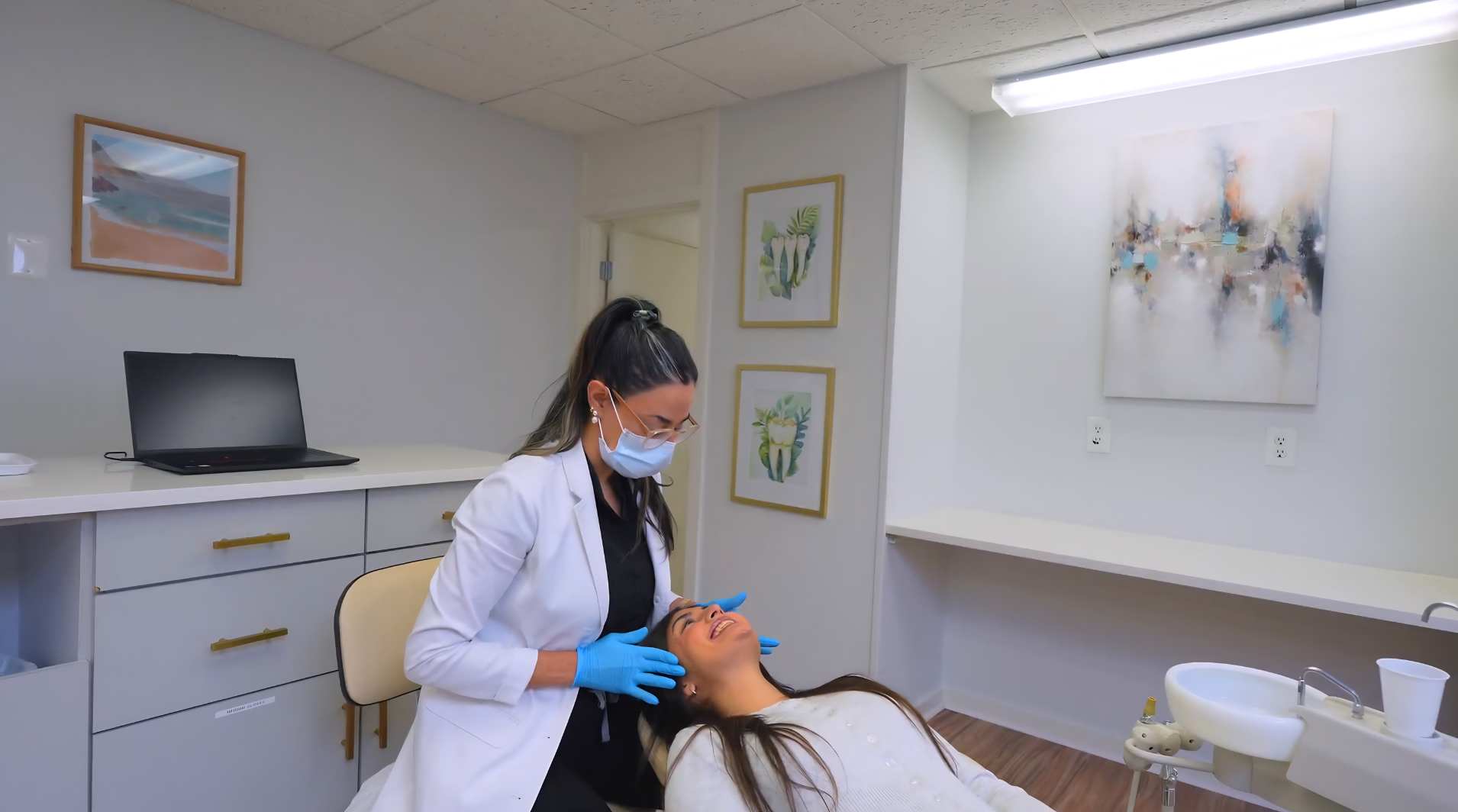
TMJ disorders treatment begins with advanced diagnostic technology that evaluates jaw joint structure and bite alignment. Digital X rays and imaging systems allow providers to assess the position of the temporomandibular joints and identify potential inflammation, misalignment, or structural irregularities. In some cases, detailed bite analysis and custom fabricated oral appliances are created using precise measurements to improve jaw positioning and reduce joint strain.
By using modern diagnostic tools, providers can develop targeted treatment plans aimed at relieving jaw pain, improving function, and promoting long term joint stability. Accurate imaging and diagnostic technology play a critical role in identifying the underlying cause of TMJ symptoms and guiding appropriate, conservative treatment strategies.
What to Expect During Your Visit
During your TMJ evaluation at Sharon Orthodontics, Dr. Sahar Mostafavi will examine jaw movement, bite alignment, and muscle function to identify signs of temporomandibular joint dysfunction. She will assess for clicking, popping, limited range of motion, or areas of tenderness around the jaw and face. Digital imaging may be used to evaluate joint positioning and detect structural concerns.
Based on these findings, she will determine the most appropriate in office treatment approach to help reduce joint strain and improve function.
Before Your Appointment
- Keep a brief record of when jaw pain, headaches, or clicking occur, including what you were doing at the time, to help identify possible triggers.
- Bring a list of any medications, stress related habits, or nighttime teeth grinding concerns that may be contributing to jaw strain.
- Avoid chewing gum or hard foods immediately before your visit to minimize temporary muscle strain during evaluation.
After Your Appointment
- Follow any appliance or bite adjustment instructions provided to reduce strain on the jaw joints.
- Monitor changes in jaw pain, tension, or clicking and report persistent symptoms at your next visit.
- Avoid excessive chewing, clenching, or jaw strain while treatment is stabilizing joint function.
What Our Patients Love About Us
Patients across Sharon, MA consistently choose Sharon Orthodontics for personalized care, advanced treatment options, and results that truly transform their smiles.
-
-
-
-
-
Sahar is the best dentist I’ve ever been to. she balances personality and care for her patients with the perfection in her work. So glad I was able to find her in an area with not that many great dentists!!!
Jonathan C.-
-
-
-
-
Sharon Orthodontics is a true gem!! Dr. Sahar is so warm, thoughtful, and intelligent. She and her team truly take the time to listen, making you feel comfortable and at ease. If you’re looking for a friendly, attentive, and fully digital practice, this is the one. Highly recommend!
Samara A.-
-
-
-
-
So happy I chose Sharon Orthodontics for my Invisalign care. I was instantly impressed by how beautiful and clean the office is. Dr. Sahar was knowledgeable and attentive throughout the whole treatment. I’m so happy with my results. Highly recommend!
Olivia R.
Frequently Asked Questions
What are common symptoms of TMJ disorders?
Common TMJ symptoms include jaw pain, facial soreness, headaches, ear discomfort, clicking or popping sounds when opening or closing the mouth, and difficulty chewing. Some patients may also experience jaw locking or limited range of motion.
Can TMJ disorders cause headaches and ear pain?
Yes, TMJ disorders can contribute to chronic headaches, facial pain, and even ear discomfort. Because the temporomandibular joints are located close to the ears and connected to surrounding muscles and nerves, inflammation in the jaw area can radiate pain to nearby regions. Many patients experience tension type headaches linked to jaw strain.
What happens if TMJ symptoms are left untreated?
If TMJ disorders are not properly managed, symptoms such as jaw pain, clicking, limited movement, and muscle tension may worsen over time. Chronic strain on the jaw joints can affect daily functions like chewing and speaking, and prolonged inflammation may contribute to ongoing discomfort.
What options are available to relieve TMJ pain?
Several non-surgical options can effectively address TMJ discomfort. Custom oral appliances help reduce strain on the jaw joints during rest and sleep, while targeted muscle-relaxant injections can ease the chronic tension and clenching that often drive TMJ symptoms. Dr. Mostafavi will work with you to determine which approach best fits your needs.
Can TMJ disorders affect chewing and speaking?
Because the temporomandibular joints control jaw movement, dysfunction can interfere with normal chewing and speech. Patients may experience discomfort while eating or notice fatigue in the jaw muscles during extended conversation. Proper treatment aims to restore comfortable and stable jaw function.
Stay Informed with Expert Insights & Tips About TMJ Disorders Treatment

No Blog Posts Yet
We’re working on new articles to help you care for your smile. Check back soon for updates from the Sharon Orthodontics Team.