1. Does Invisalign® hurt?
Patients typically experience some mild discomfort or pressure when switching to a new set of aligners, which is a sign that the teeth are moving. This sensation usually subsides within a day or two as the teeth adjust. Dr. Sahar Mostafavi ensures patients understand what to expect.
2. Can I drink coffee with Invisalign®?
It is best to remove your Invisalign® aligners when drinking coffee, tea, or any other colored beverages. These drinks can stain the clear aligners, making them less discreet, and can also get trapped, leading to tooth decay. Dr. Sahar Mostafavi advises patients to stick to plain water with aligners in.
3. How do I clean my Invisalign® aligners?
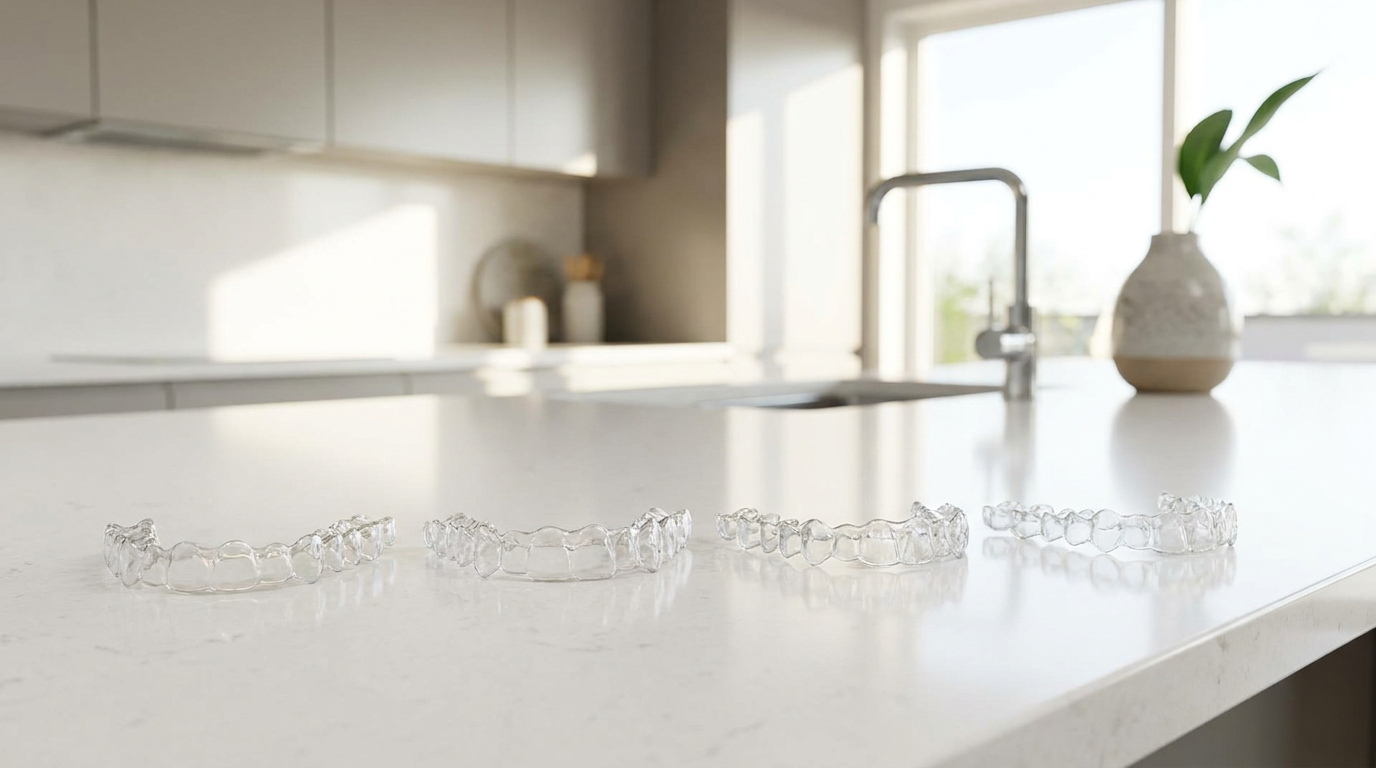
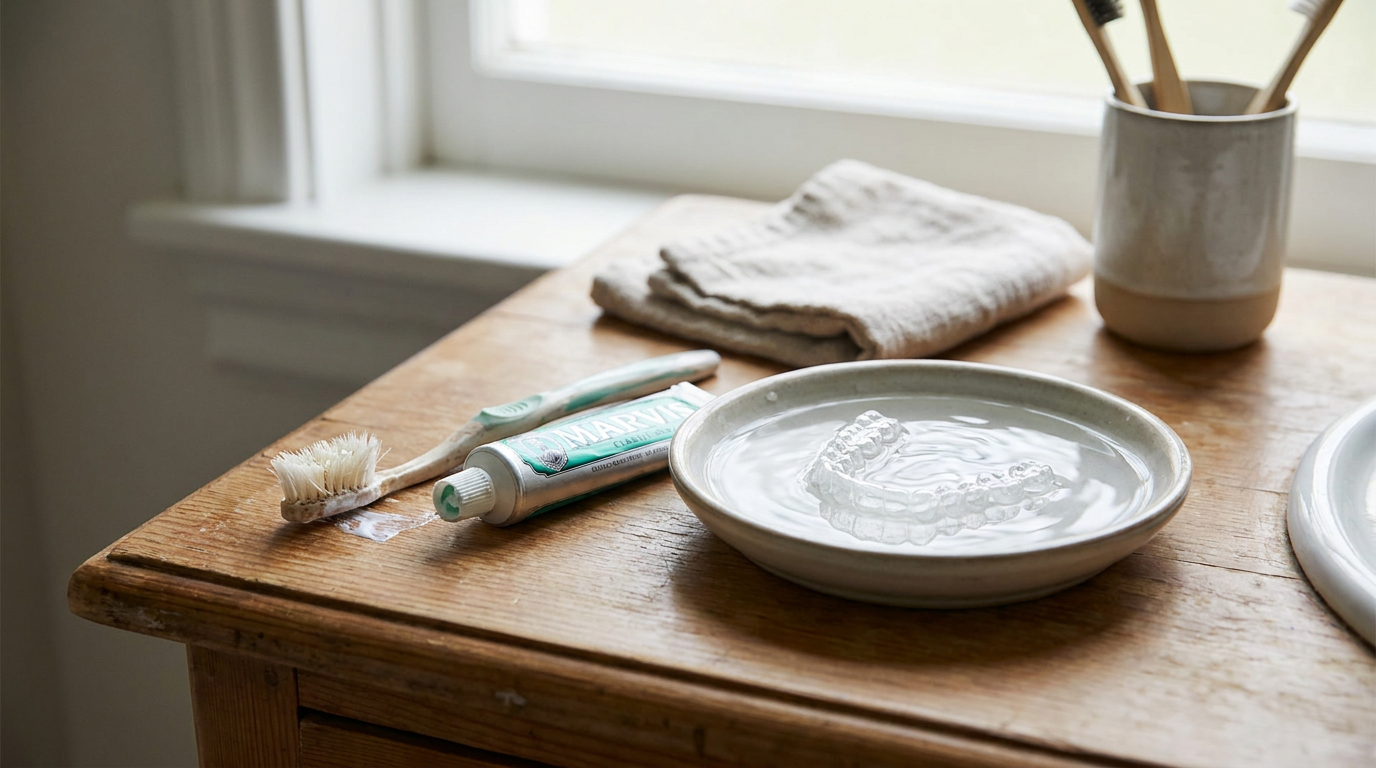
You should clean your Invisalign® aligners daily by brushing them gently with a soft-bristled toothbrush and lukewarm water. You can also use special cleaning crystals provided by Invisalign®. Dr. Sahar Mostafavi emphasizes avoiding hot water, as it can distort the aligners.
4. Will Invisalign® affect my speech?
Some patients may experience a temporary lisp or slight speech impediment during the first few days of wearing their Invisalign® aligners. This is a common adjustment period as your tongue adapts to the presence of the aligners. Dr. Sahar Mostafavi reassures patients that it usually resolves quickly.
5. Do I need to wear a retainer after Invisalign®?
Yes, wearing a retainer after completing your Invisalign® treatment is crucial to maintain your new smile. Without a retainer, teeth can gradually shift back to their original positions. Dr. Sahar Mostafavi will prescribe a custom retainer and explain its importance for long-term results.
6. How often do I change my Invisalign® aligners?
The frequency of changing your Invisalign® aligners typically depends on your personalized treatment plan, but most patients switch to a new set every one to two weeks. Dr. Sahar Mostafavi will provide specific instructions tailored to your progress and goals, ensuring optimal tooth movement.